 Partner offer ↗
Independent German character guide
Venus Chub AI
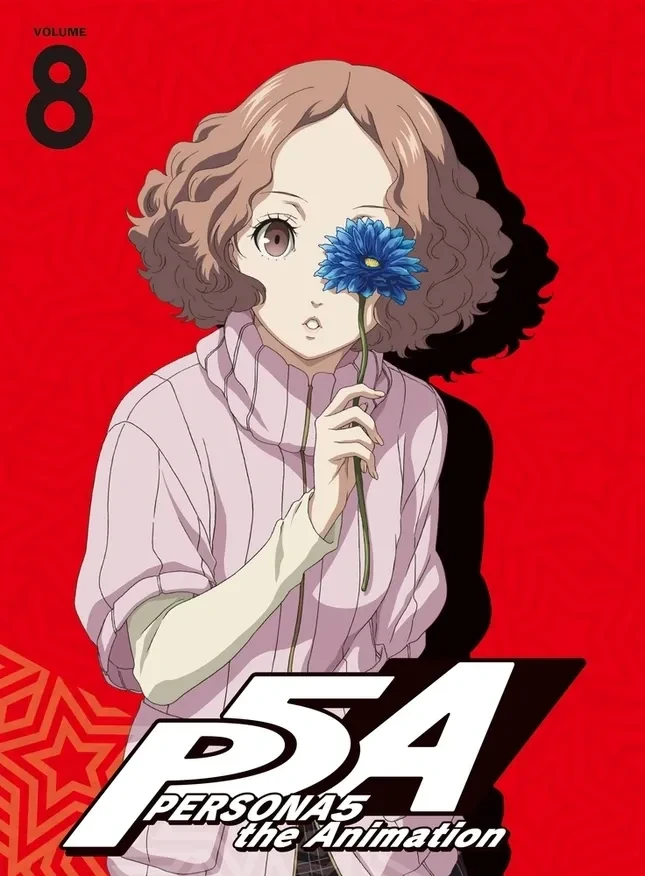
A visual introduction to Chub's character library – with Hailey in focus, six other catalog figures, and selected views of the interface.
Advertisement notice: Marked buttons and all images lead to a different AI companion service, not to Chub AI.
01
7 Characters
4 Product views
 Click image · Partner offer ↗
Character 01Hailey
Characters / 02–07
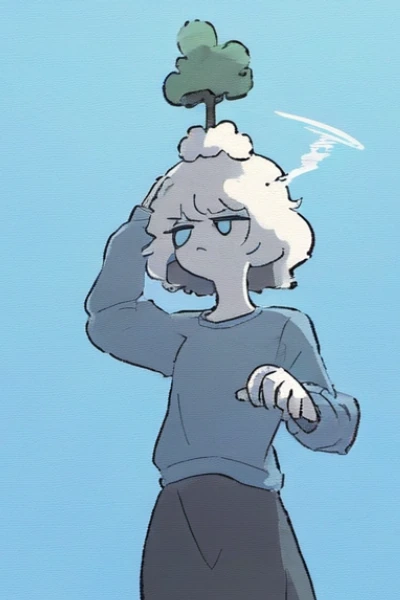
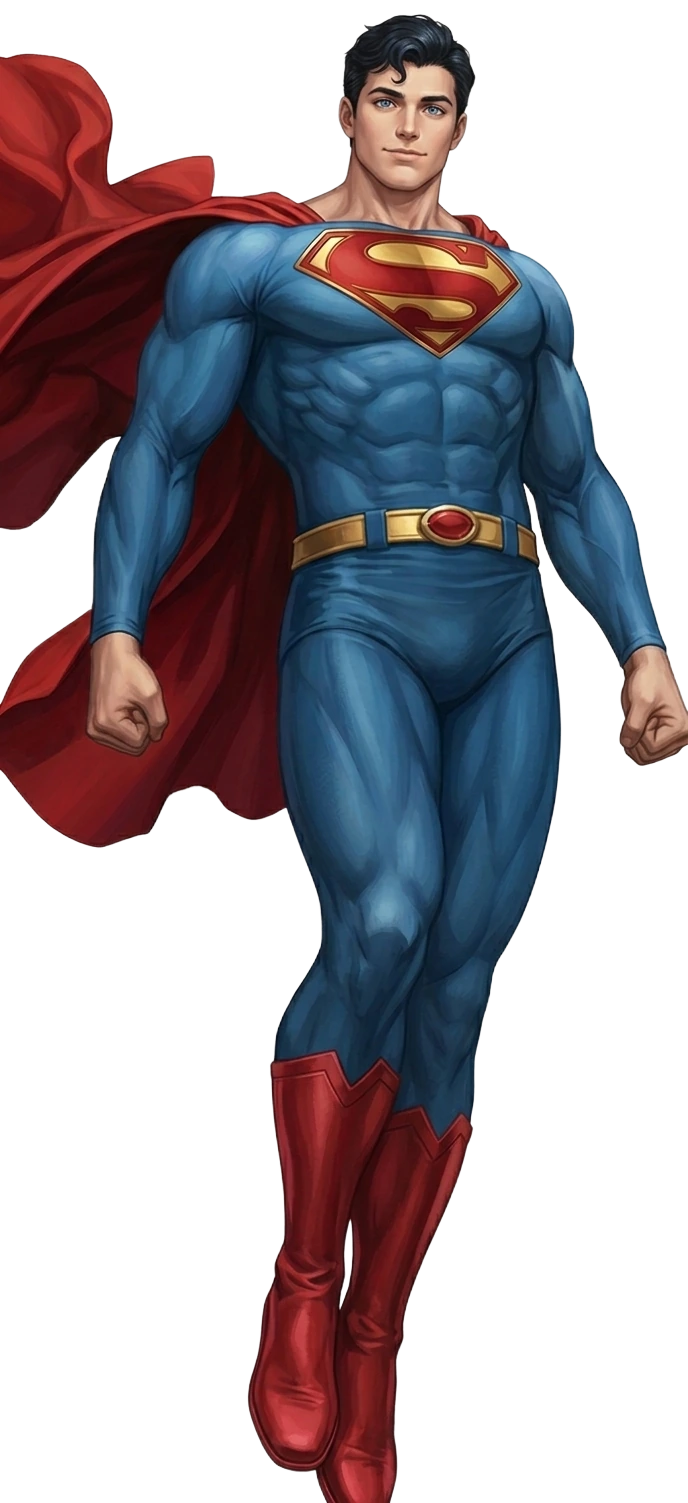
Six more names from the catalog
The names correspond to the locally saved selection from the Chub character catalog. Additional biographies or traits are deliberately not added.



Local product views
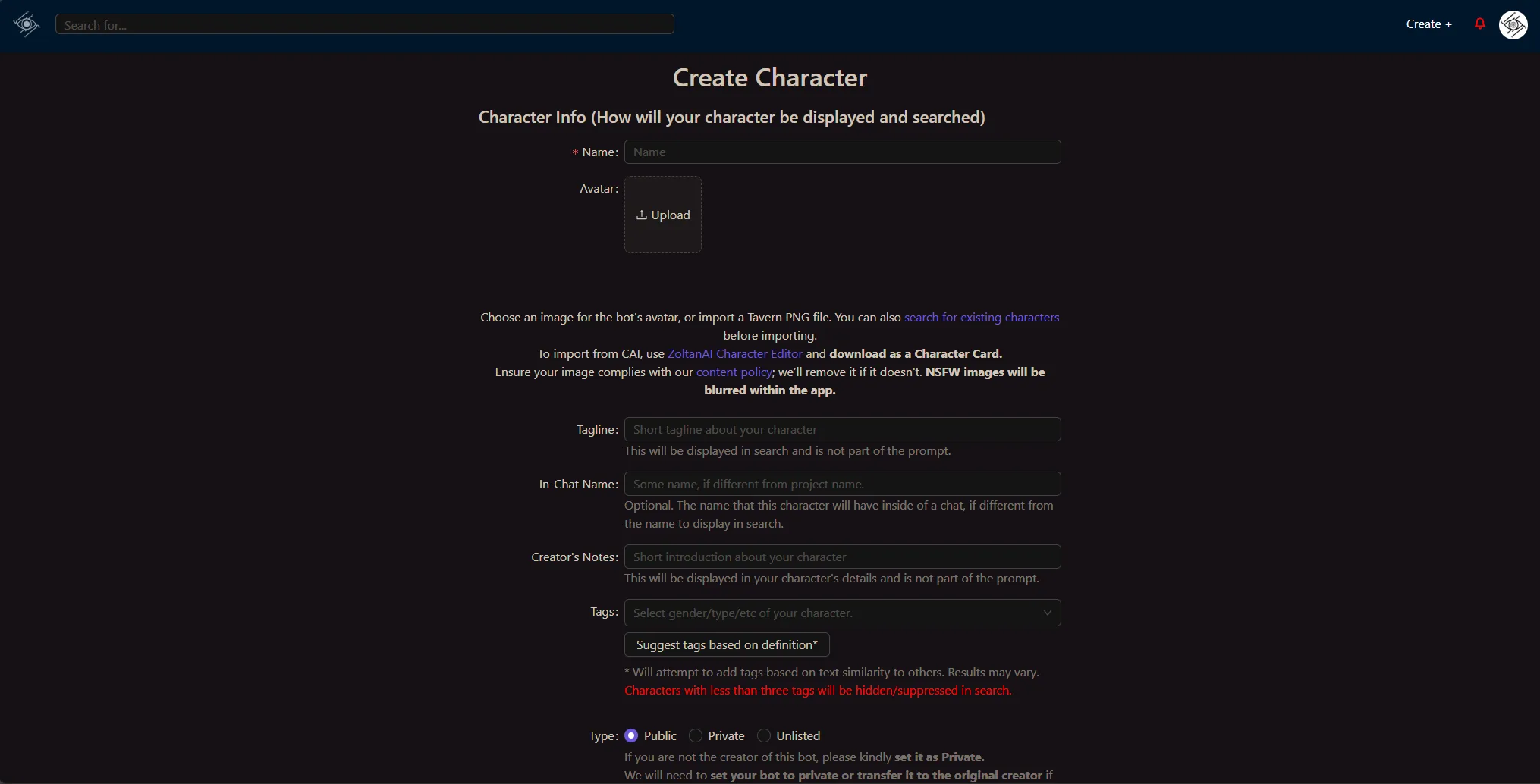
From the profile form to the chat display
Four saved screenshots show visible areas of the interface. The captions stick to what is recognizable in the views.
 Partner offer ↗
 Partner offer ↗
 Partner offer ↗
 Partner offer ↗
What does Venus Chub AI mean?
Those searching for Venus Chub AI often mean content related to Chub AI. In the reviewed documents, the service is mostly called Chub AI; Venus Chub AI is therefore used here as a search term and not as a confirmed current product name. Documented is a platform for conversations with AI characters, whose models are connected via APIs. This page combines two perspectives: The character selection shows concrete, locally saved catalog images, while the product views document individual areas of the interface. Both should be read separately. A character image proves a catalog entry, but not a specific conversation quality or a permanently available feature.
How is the character library structured?
Character cards combine an image with a name and additional profile data. For this overview, only the seven final checked files were used. Hailey opens the page; Haru Okumura, Raimon Natsumi, Lady Stratos, Mokuba Kaiba, Superman Jon Kent, and Kirabe follow as a gallery. The names come from the saved selection list. Invented biographies, relationships, or traits are omitted. This is important for classification: An illustration can convey mood and style, but alone says nothing reliable about the definition, scenario, or opening message of the associated profile. Therefore, check such details directly where a character is actually described.
What do Creator, Presets, and Themes show?
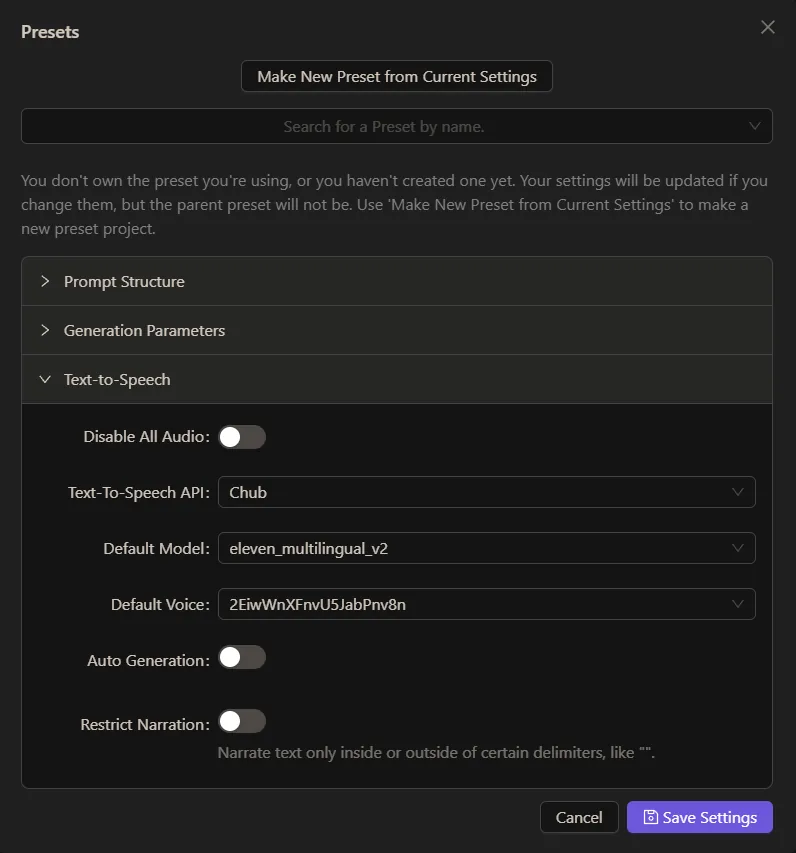
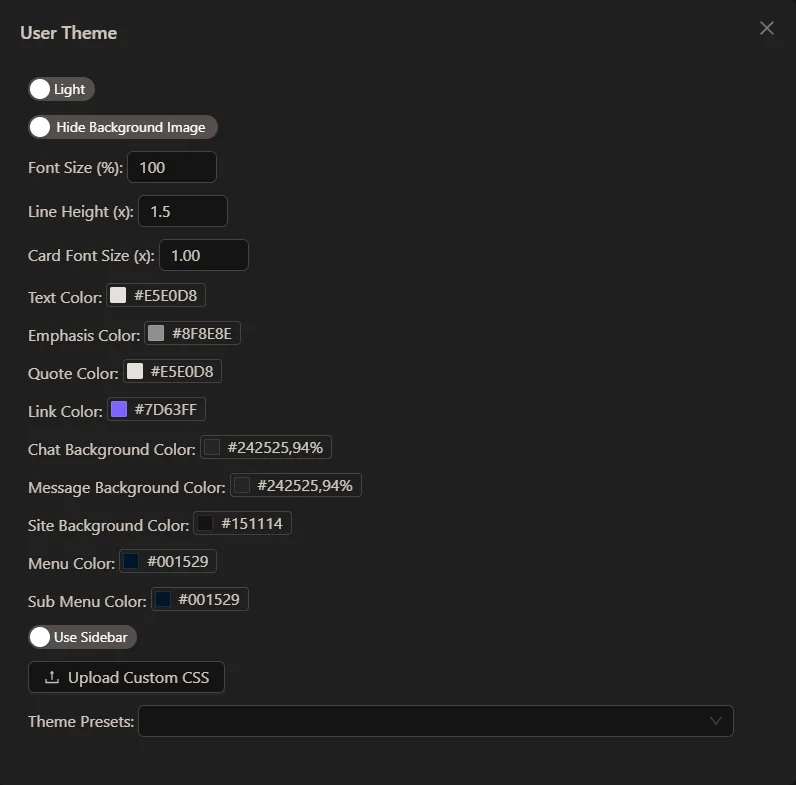
The local create-character view shows a “Character Info” area with visible fields such as Name, Avatar, Tagline, In-Chat Name, Creator’s Notes, Tags, and Visibility. Another screenshot shows a preset window with the areas Prompt Structure, Generation Parameters, and Text-to-Speech. The theme view contains, among other things, toggles and inputs for font size, line height, and colors. These screenshots document interface states, not a promise that every option remains available unchanged. Those trying out settings should proceed step by step and assess the effect of individual changes separately. This keeps it traceable whether a deviation comes from the character profile, the preset, or only from the display. A short note for each change makes comparison and return to a understandable starting point easier.
How can context and extensions be classified?
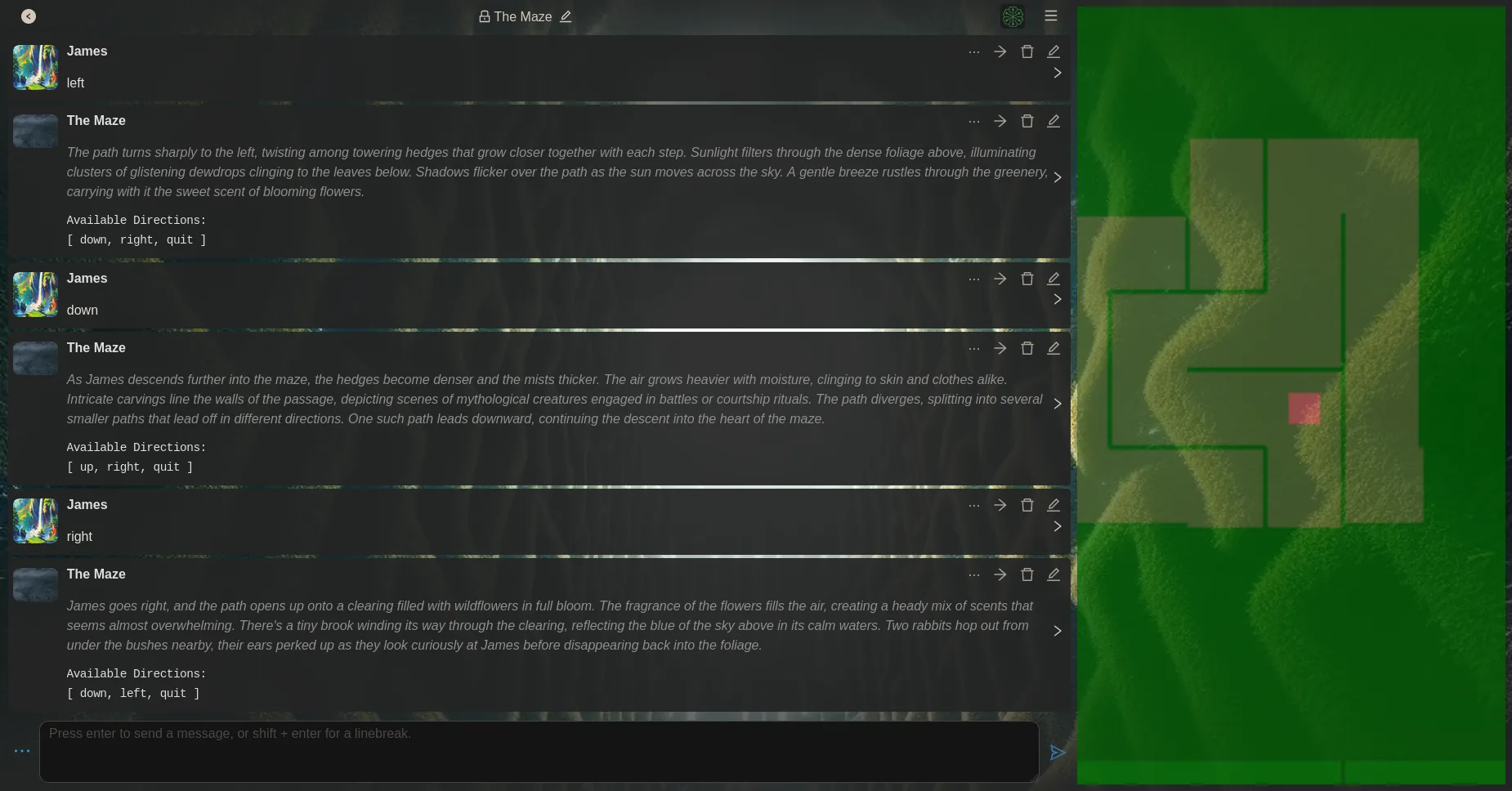
The existing documentation distinguishes Chat Memory, Lorebooks, API connections, and Stages. Memory can provide a summary as additional conversation context. Lorebooks assign keywords to content; Scan Depth and Token Budget limit search and scope. For API connections, the documentation recommends official keys instead of unofficial reverse proxies and cites security, privacy, and reliability as reasons. Stages are components within a chat and, according to the documentation, run in a separate iframe sandbox. The shown Stage view combines a message history with a green labyrinth. Even with visible checkmarks, caution remains advisable: read notes, protect credentials, and only activate extensions whose purpose is understandable.
Deliberately moving on
Characters seen. Purpose of the click understood.
The following affiliate link opens a different AI companion service, not Chub AI.
Open partner offer